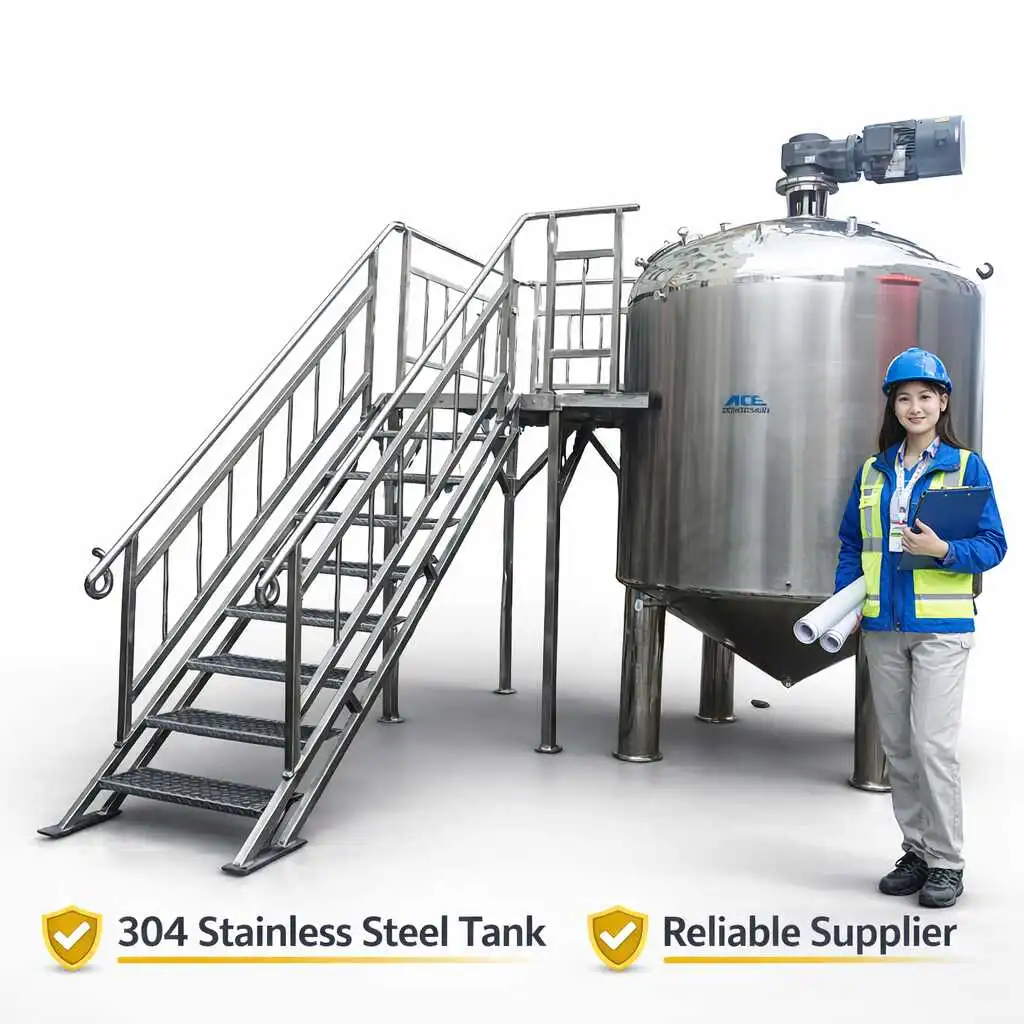
Custom Stainless Steel Mixing Tank Buying Guide
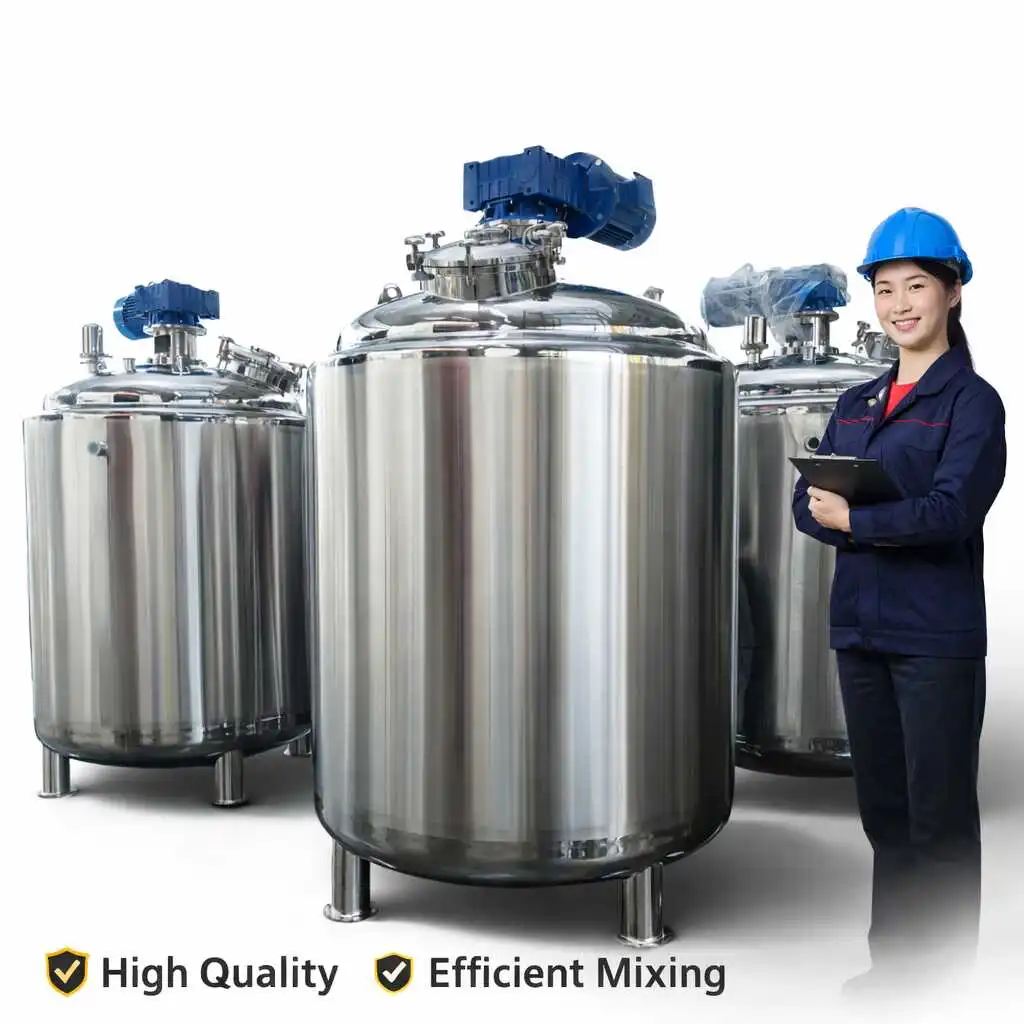
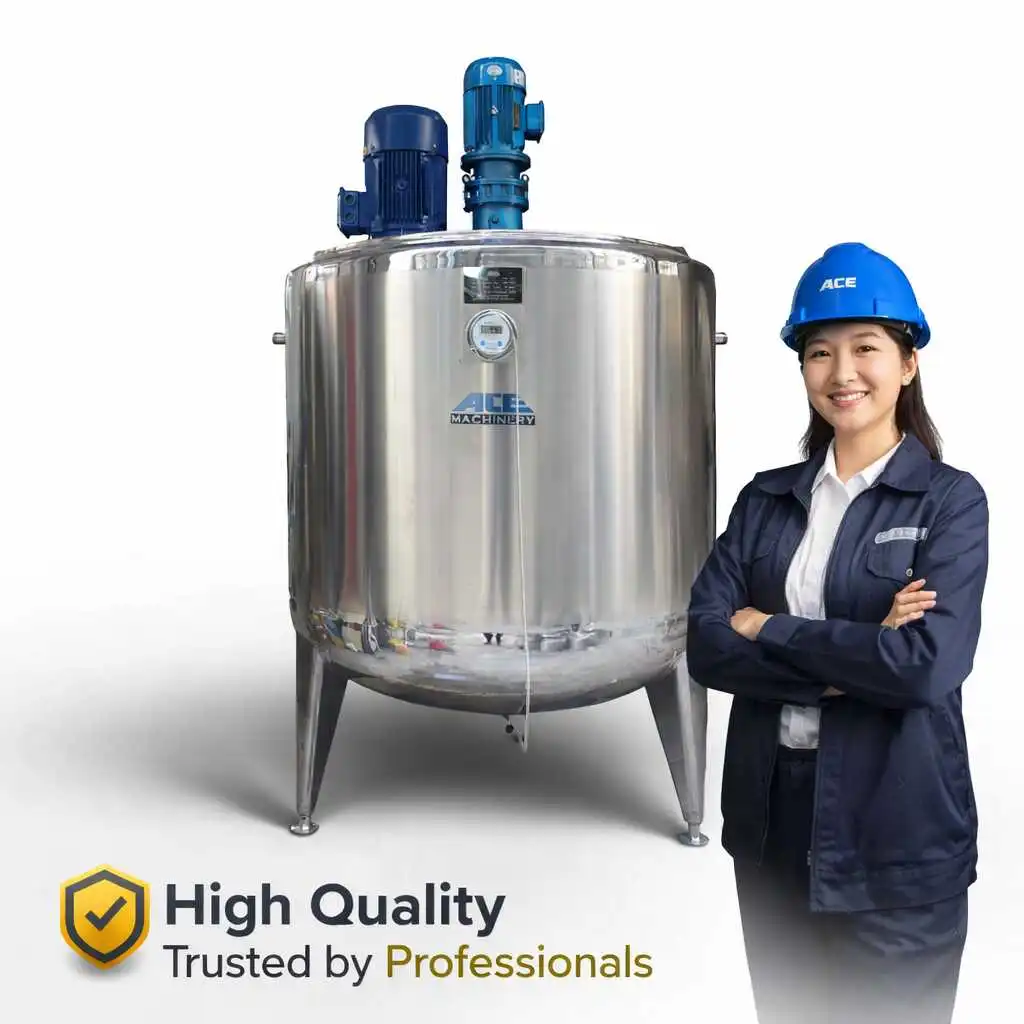
A custom stainless steel mixing tank is not only a vessel. It is a process system that affects mixing speed, product uniformity, heating efficiency, cleaning time and long-term production stability. For industrial buyers, the right tank design should match the material, batch volume, viscosity, temperature requirement and hygiene standard of the final product.
How to Choose the Right Mixing Tank Capacity
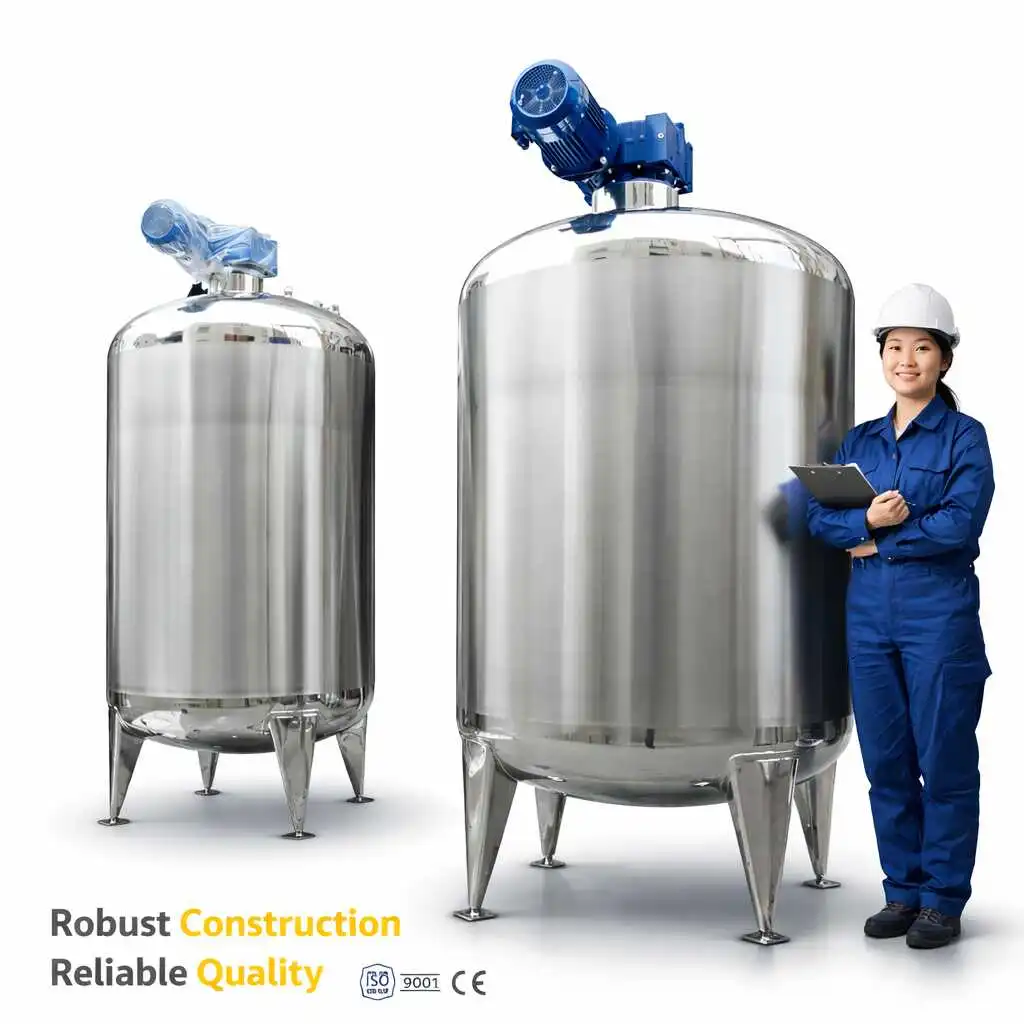
Capacity selection should consider working volume, head space, foaming behavior and future production growth. For pilot production, a smaller 50L to 500L mixing tank may be enough. For factory batch production, buyers often choose 500L, 1,000L, 2,000L, 5,000L or larger customized tanks. If the product expands, foams or requires vacuum processing, extra space inside the tank is recommended.
SS304 vs SS316L: Which Material Is Better?
SS304 mixing tanks are commonly used for general food, beverage and daily chemical production. SS316L stainless steel tanks are recommended for corrosive chemicals, pharmaceutical liquids, high-salt formulas and products with stricter sanitary requirements. Inner wall polishing, sanitary welding and food-grade sealing can further improve cleaning and reduce contamination risk.
Agitator Selection for Different Materials
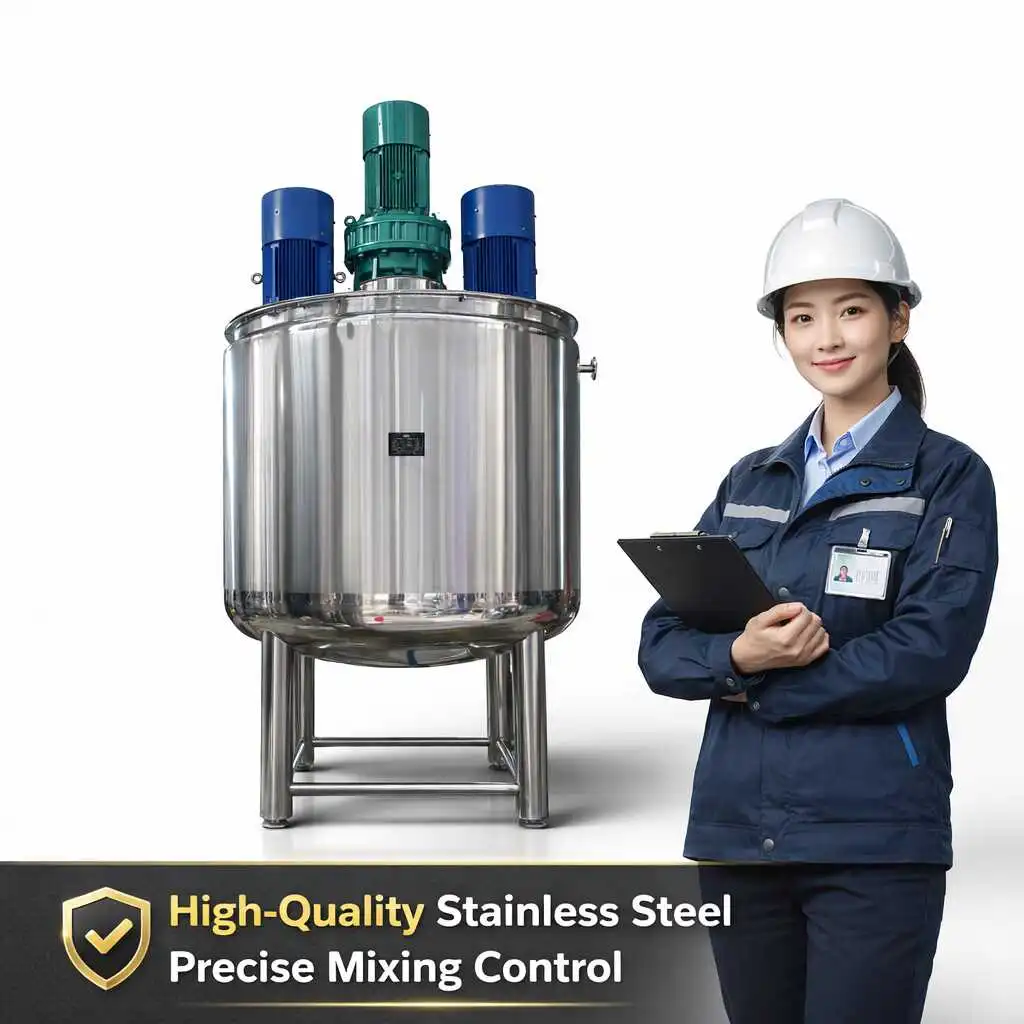
The agitator is the core of a mixing tank. Low-viscosity liquids may use a propeller or paddle agitator. Medium-viscosity products can use anchor or frame agitation. High-viscosity materials such as cream, paste, lotion, adhesive or thick sauce often require a scraper agitator, high-shear mixer or combined mixing system.
- Propeller agitator: suitable for low-viscosity liquid circulation and blending.
- Anchor agitator: suitable for medium to high-viscosity materials and uniform heat transfer.
- Scraper agitator: helps prevent material from sticking to the tank wall during heating.
- High-shear mixer: useful for emulsifying, dispersing powders and improving particle distribution.
When Do You Need a Jacketed Mixing Tank?
A jacketed mixing tank is useful when the process requires heating, cooling or stable temperature control. The jacket can use steam, hot water, cooling water or electric heating depending on the production site. For temperature-sensitive products, insulation and precise control can help improve product consistency.
Sanitary Design and Easy Cleaning
For food, beverage, cosmetic and pharmaceutical production, buyers should pay attention to weld quality, inner surface polishing, drainability and cleaning design. Optional CIP spray balls, sanitary manholes, bottom valves and mirror-polished inner walls can reduce cleaning time and improve hygiene control.
Information Needed for a Fast Quote
To receive a more accurate quotation, prepare the product material, viscosity, batch volume, heating or cooling needs, voltage, installation space and destination country. You can also use the inquiry form to request a free design suggestion from our engineering team.